Find Yoga Hair Band for Running, Gym, and Daily Wear
Explore 30 yoga hair band options designed for sports and daily use. Compare materials, sizes, and customization features to identify the best fit for your sourcing needs. These versatile accessories offer sweat-absorbing comfort and adjustable fits for various head sizes. Buyers can review product specifications, pricing tiers, and shipping details to streamline their procurement process effectively.
Key considerations
Products List


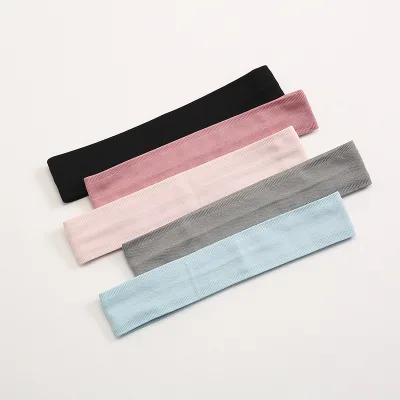
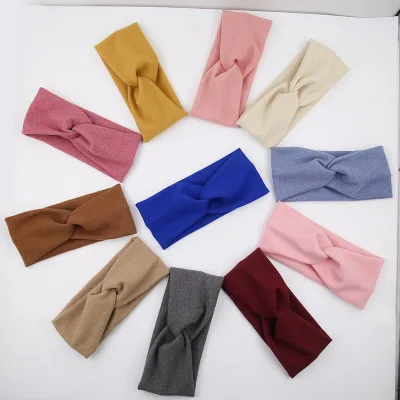


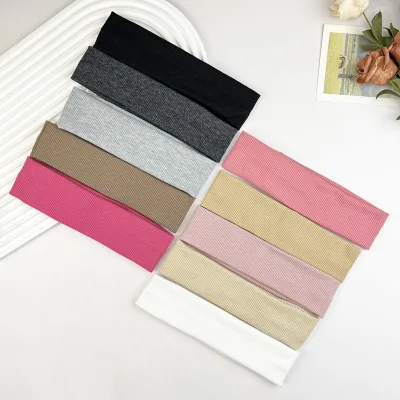
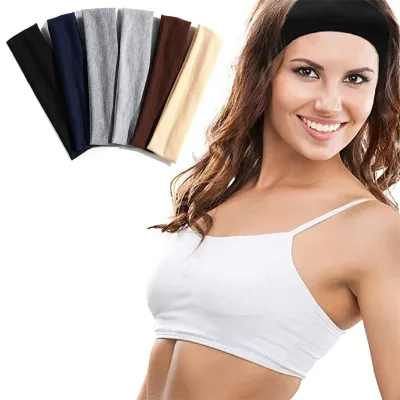




Comprehensive Sourcing Guide
Yoga Hair Band Sourcing Guide
Procuring yoga hair bands requires a clear understanding of the specific material composition and functional attributes observed in the current market. Buyers should prioritize items constructed from polyester or blends like 85% nylon and 15% spandex to ensure the necessary elasticity and sweat-absorbing capabilities required for high-intensity workouts. The observed product range includes specific dimensions such as 46x4 cm or 8 cm widths, which directly impact the fit and comfort for different head sizes during activities like running or yoga.
Commercial listings indicate a diverse range of customization options, including logo printing and color variations ranging from standard black and blue to multi-color palettes. Sourcing teams must verify the minimum order quantity, which varies significantly between 50 and 300 pieces depending on the supplier and specific model, such as the YCH01 or TD-7. Understanding these baseline commercial terms is essential before initiating contact, as the flexibility of the product design often correlates with the volume commitments required by the manufacturer.
Product Scope and Observed Listing Signals
The market for yoga hair bands encompasses a broad spectrum of applications, primarily targeting daily life, gym workouts, and specific sports like running and yoga. Listings frequently highlight features such as sweat-proofing and comfort, with some products explicitly designed for universal or female-specific use. Buyers should note that while some items are marketed as adjustable, others are fixed in size, necessitating a careful review of the product description to match the intended demographic and usage scenario.
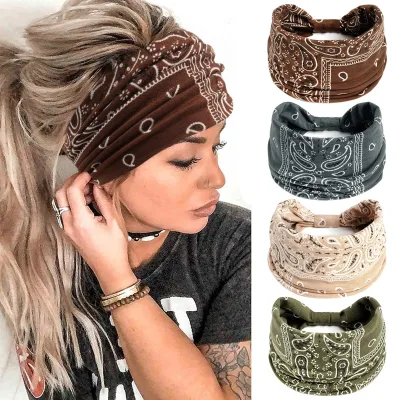
Color availability is a critical signal for inventory planning, with suppliers offering options from solid black and red to extensive colorful ranges including beige, rose red, and navy. The packaging standards observed often involve simple OPP bags, which suggests a focus on cost-efficiency for bulk shipping rather than premium retail presentation. Procurement teams must align their selection with the specific selling units and weight constraints, as single item weights can range from 0.03 kg to 0.35 kg, influencing logistics costs and final retail pricing strategies.
Technical Specifications to Verify
Dimensional accuracy is paramount when sourcing headbands, as specifications like 46x4 cm or 8 cm widths determine the fit and functionality for the end user. Buyers must verify the single package size, which can vary from 18x8x1 cm to 23x4x0.3 cm, to ensure efficient container loading and storage. The material composition, whether pure polyester or a nylon-spandex blend, directly dictates the stretch recovery and moisture-wicking performance, which are non-negotiable for athletic applications.
Technical verification should also extend to the product model numbers and standard sizing conventions, such as "One size" or specific metric dimensions. Some listings indicate a weight of 0.03 kg per unit, while others list a gross weight of 0.35 kg, highlighting the need to confirm whether the weight includes packaging. Ensuring that the technical specs match the intended application, such as the "Whole Year" season suitability or specific "Girls" targeting, prevents mismatches between the ordered product and the market demand.
Compliance and Safety Documentation
While specific certifications like OEKO-TEX or FSC appear in background data, buyers must explicitly request current compliance documentation rather than assuming their presence. For products intended for direct skin contact during sports, verifying that the materials meet safety standards for textiles is crucial to prevent allergic reactions or skin irritation. Procurement teams should ask suppliers to provide test reports confirming the absence of harmful substances, especially given the varied material compositions observed in the market.
Documentation regarding the origin of goods, specifically from regions like Guangdong, China, should be cross-referenced with any import regulations applicable to the destination market. Although some listings mention eco-friendly features, these claims require substantiation through third-party testing or verified supply chain audits. Buyers should ensure that all safety and compliance documents are up-to-date and specific to the batch being produced, rather than relying on general company statements or outdated certificates.
Cost Drivers and Commercial Terms
Pricing for yoga hair bands is influenced by material costs, customization levels, and order volume, with observed ranges reflecting these variables. The minimum order quantity acts as a primary cost driver, with thresholds ranging from 50 to 2400 pieces, directly impacting the unit price and cash flow requirements for the buyer. Suppliers offering lower MOQs may charge a premium per unit, whereas larger volume commitments typically unlock more competitive pricing structures and better margin potential.
Payment terms and delivery timelines are equally critical components of the commercial agreement, with T/T being a common method and lead times varying from 2 to 5 days for standard orders. Buyers must account for sample order lead times, which can be up to 7 days, and factor this into their overall product launch schedule. Shipping methods such as TNT, FedEx, or DHL add significant cost variables, so negotiating freight terms and understanding the total landed cost is essential for accurate budgeting and profitability analysis.
Supplier Qualification and Quality Control
Supplier qualification should focus on their ability to support after-sales processing and their track record with customization requests like logo printing. The presence of adjustable or unadjustable product lines indicates a need to verify the supplier's quality control processes for consistency across different product variations. Buyers must ensure that the supplier can maintain the specified dimensions and material properties, such as the 85% nylon and 15% spandex blend, across all production batches.
Quality control protocols must include checks for packaging integrity, as items are often shipped in simple OPP bags that may not offer sufficient protection during transit. Verifying the supplier's capacity to handle the specific weight and size constraints of the product is necessary to prevent damage during shipping. Additionally, confirming the supplier's ability to meet the "Whole Year" seasonal demand without compromising on the sweat-absorbing or comfortable features is vital for maintaining brand reputation.
Long-Term Procurement Checks
Establishing a long-term relationship requires regular audits of the supplier's ability to maintain consistent lead times and delivery performance. Buyers should monitor the supplier's responsiveness to after-sales issues and their capacity to scale production as order volumes increase from the initial 50-piece minimums. Continuous verification of the product specifications, including color consistency and material durability, ensures that the product remains aligned with market expectations over time.
Strategic procurement also involves tracking changes in material costs and adjusting order volumes to optimize the cost per unit. Buyers should maintain open communication channels to anticipate potential disruptions in the supply chain, particularly given the reliance on specific manufacturing regions. Regularly reviewing the product's performance in the market and gathering feedback on comfort and functionality allows for proactive adjustments to future orders, ensuring sustained success in the competitive yoga and sports accessory sector.
FAQs
What materials are used for yoga headbands?
Yoga headbands are typically made from polyester or a blend of 85% nylon and 15% spandex. These materials provide elasticity and durability for active use. The fabric is designed to be sweat-absorbing and comfortable against the skin. This ensures the headband stays in place during intense workouts without causing irritation or slipping.
Can I customize the logo on these headbands?
Yes, logo printing is available for these yoga headbands. Buyers can request custom branding to suit their specific needs. This customization option allows for unique product differentiation. It is suitable for businesses looking to create branded merchandise. The process supports various design requirements for effective marketing and brand visibility.
What is the minimum order quantity for these items?
The minimum order quantity varies by product model. Some items require a minimum of 50 pieces, while others may need 100 or 300 pieces. This range allows flexibility for different buyer sizes. Smaller orders are possible for specific models. Buyers should check the specific model details to confirm the exact MOQ requirement for their purchase.
How long does delivery take for these headbands?
Delivery times typically range from 2 to 5 days for standard orders. Sample orders may require up to 7 days for processing. Shipping methods include TNT, FedEx, DHL, EMS, and UPS. These options ensure timely and reliable delivery. Buyers can choose the most suitable shipping method based on their urgency and location preferences.
What sizes are available for yoga headbands?
Headbands are available in specific dimensions such as 46x4 cm or one-size-fits-all options. Some models have a width of 4 cm or 8 cm. These sizes accommodate various head shapes comfortably. The elastic design ensures a secure fit for most users. Buyers can select the size that best matches their target audience's needs.
Are these headbands suitable for daily use?
Yes, these headbands are suitable for daily life and sports. They are designed for activities like running, yoga, and gym workouts. The comfortable and sweat-absorbing features make them practical for everyday wear. They provide functionality for both athletic performance and casual use. This versatility makes them a valuable addition to any wardrobe.